

CEO, Author, and Speaker
When someone struggles with addiction, it’s not always clear what’s really causing their symptoms. Are anxiety, depression, or psychosis the result of substance use – or signs of an underlying mental health condition? Advanced diagnostic testing can help guide the treatment of complex presentations. When clinically indicated, comprehensive medical, psychological, and neuropsychological assessments can help clinicians uncover the root causes of a person’s struggles, leading to accurate dual diagnosis and a clear path forward.
As the prevalence of substance and its effects continue to impact people and their families, it is important to understand all facets of the client’s condition. In 2022, over 48 million Americans were diagnosed with a substance use disorder.
At Alta Mira Recovery in the San Francisco Bay Area, advanced diagnostic testing and interdisciplinary assessments are available on a case-by-case basis. Our clinicians work to determine whether issues like psychosis, anxiety, or depression stem from substance use, an independent mental health condition, or both. This comprehensive evaluation process facilitates accurate diagnosis when symptoms may be complex or unclear.
5 Key Takeaways: Understanding Advanced Diagnostic Testing in Addiction Treatment
Discover how comprehensive evaluations, brain imaging, and cognitive testing come together to create a precise diagnostic picture – one that guides truly effective addiction and mental health treatment.

Research shows that substance use disorder is a serious condition that incorporates genetic, and neural maturation, with cultural and societal elements. These multidimensional aspects must be thoroughly considered during treatment to deliver optimal recovery outcomes.
One approach to achieving accurate diagnoses involves matching comprehensive need-service assessments to the client’s specific circumstances. Studies demonstrate that such tailored assessments lead to improved outcomes in primary and overall substance use over the subsequent year. Key areas of focus in these assessments include mental health, housing, medical care, and family dynamics. At Alta Mira, we have the ability to offer physical, neurological, behavioral, and psychological evaluations; followed by continuous observation throughout the treatment process.
The initial physical testing begins with a comprehensive assessment of the client’s well-being. Clinicians first evaluate whether the individual is experiencing a psychotic episode or has physical deformities related to chronic substance use. These critical aspects are addressed immediately upon intake to establish a baseline understanding of the client’s condition.
The second component involves a thorough biological workup, including a complete blood panel, which rules out underlying medical conditions that may contribute to the client’s symptoms. Psychosis, for example, is not solely linked to substance use. Medical conditions such as Cushing’s disease, lupus, meningitis, and dementia are also known to induce psychotic episodes. Clients living with any of these conditions while using substances experience an aggravation of their psychosis. Blood tests are therefore essential for identifying the presence of such conditions.

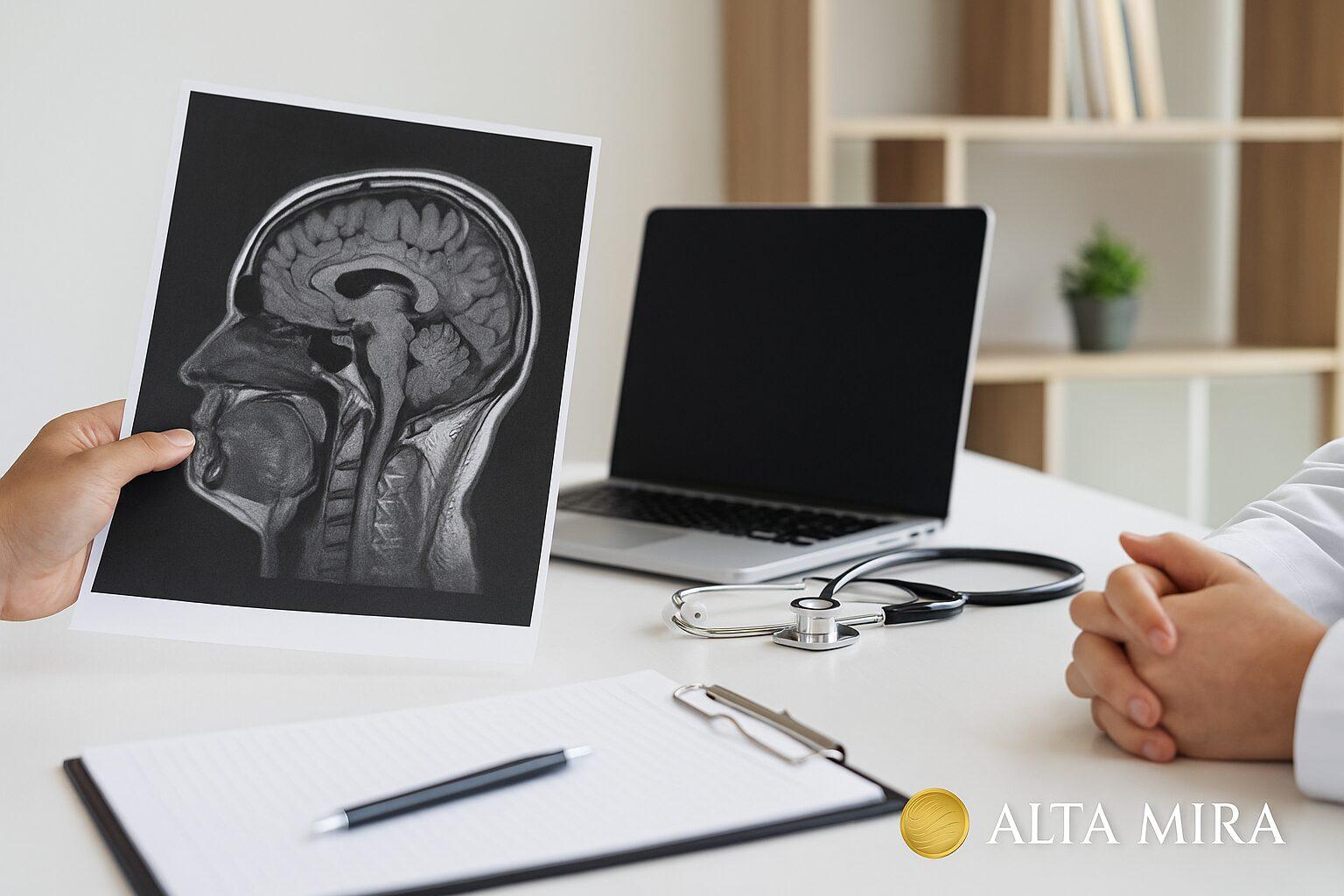
Substance use contributes to a range of adverse physical health effects, including heart disease, cancer, and chronic obstructive pulmonary disease (COPD), among others. Proper diagnosis of these conditions necessitates advanced medical imaging techniques such as magnetic resonance imaging (MRI), computerized axial tomography (CAT) scans, and positron emission tomography (PET) scans, which provide the necessary data to confirm the presence and extent of these health issues.
By conducting these medical tests, clinicians determine whether underlying physical conditions are the primary cause of mental health disturbances, a contributing factor, or not a concern. A comprehensive approach is essential for accurate diagnosis, as it clarifies the connection between physical health and mental health, particularly in substance use disorders. Understanding how physical conditions influence mental health symptoms and the progression of substance use disorders is critical. With this knowledge, clinicians develop effective, individualized treatment plans that address both the physical and psychological dimensions of the client’s condition.
Clients presenting with substance-induced psychosis, among other complications, require comprehensive psychological assessments following stabilization. One of the primary diagnostic tools employed is the Structured Clinical Interview for DSM-5 (SCID-5), a series of interviews designed to assess a range of psychiatric disorders, including mood, personality, psychotic, and substance use disorders. This structured approach ensures a systematic and reliable diagnosis across multiple domains.
In addition to the SCID-5, the Mini-International Neuropsychiatric Interview (M.I.N.I.) is often utilized as a rapid screening tool. This interview is designed to be concise, typically lasting about 15 minutes, and provide an efficient way to identify key psychiatric conditions, making it a valuable complement to more extensive diagnostic evaluations.
One of the most widely used psychometric tools for assessing personality traits and psychopathology is The Minnesota Multiphasic Personality Inventory (MMPI). It provides a comprehensive evaluation of psychological conditions, allowing clinicians to draw inferences about the presence of psychopathy or other psychological disorders. Additionally, the data obtained from the MMPI can be used to compare an individual’s psychological characteristics against normative benchmarks, offering valuable insights into deviations from typical personality patterns and mental health profiles.
Alta Mira offers these advanced assessments when needed as part of the comprehensive treatment process. Using these diagnostic tools ensures accurate and precise psychological evaluations, facilitating tailored and effective therapeutic interventions.
Commonly used cognitive assessments include the Wechsler Adult Intelligence Scale (WAIS), the Wechsler Memory Scale, and the Wechsler Fundamentals: Academic Skills examinations. These tests possess strong psychometric properties, making them reliable tools for detecting neuropsychological deficits. By evaluating distinct intellectual domains, such as memory, reasoning, and academic abilities, clinicians gain a complete understanding of a client’s cognitive profile, including an overall intelligence quotient (IQ) score. This insight allows for tailored treatment plans that address the client’s unique cognitive strengths and challenges.
These assessments provide valuable insights into the neuropsychological functioning of the brain, particularly in how psychoactive substances such as alcohol, cannabis, opioids, and stimulants risk altering both brain structure and function. These substances cause significant changes in cognitive processes, and neuropsychological testing detects the extent of these alterations.
A study comparing the effects of these psychoactive substances on cognitive impairment revealed that 31% of participants experienced a level of cognitive damage. These findings underscore the importance of early detection of cognitive impairment in individuals with substance use disorders.

Test results necessitate follow-up care as the treatment regimen begins, primarily because both physical and mental health statuses can evolve once substances are eliminated from the body. Clients presenting with psychosis, for instance, may later reveal underlying mental health conditions such as bipolar disorder or schizophrenia as the detoxification process concludes. This shift in diagnosis can significantly alter the course of treatment. Or, if there was only a mental health isolated incident resulting solely from substance use, the focus may shift toward an intensive and targeted substance use disorder treatment.
Addressing co-occurring disorders is vital to the overall treatment process. Ongoing observation and reassessment are necessary to tailor the treatment plan accurately, ensuring that both the substance use disorder and any underlying psychiatric conditions are treated concurrently and effectively.
A multidisciplinary approach to assessment plays a pivotal role in shaping individualized care within the context of substance use disorder treatment and co-occurring mental health conditions. Assessments encompassing physical, neurological, psychological, and behavioral testing provide a detailed understanding of the client’s unique medical and mental health profile. These results can help our clinicians identify underlying physical conditions, assess cognitive function, and detect neuropsychological deficits influencing the course of treatment.
 Medical tests reveal whether physical health conditions contribute to the client’s mental health symptoms or whether cognitive impairments have been exacerbated by substance use. Such findings guide the formulation of treatment plans, ensuring that physical and psychological conditions are addressed in the proper order. For example, a patient with cognitive deficiencies won’t benefit significantly from psychotherapeutic interventions. In this case, the cognitive deficiencies need to be addressed first, then therapy can be utilized to further improve outcomes.
For some, assessment results can be crucial in informing an integrated treatment approach when co-occurring disorders are present. By tailoring interventions based on the individual’s needs, including adjustments in therapy types, medication management, and social support services, clinicians are better equipped to treat complex mental health disorders and substance use disorders simultaneously. The accurate interpretation and application of testing results lead to more personalized, effective care, improving treatment outcomes and long-term recovery success.
Assessments alone are not enough. Mental health and substance use disorders, especially regarding the complexities of dual diagnosis treatment, are rarely black or white. Collaboration between experts in each field is essential to determine effective treatment paths and outcomes. At Alta Mira, multidisciplinary specialists from physical health, mental health, neurology, and social support work together to provide comprehensive care. By integrating results across these areas, the team addresses both mental health and physical health conditions simultaneously, leading to higher success rates in treating substance use disorders. Each professional involved, including medical physicians, psychiatrists, therapists, and support staff, plays a critical role throughout the treatment process. They contribute their expertise to create an evidence-based, individualized care plan that addresses all aspects of the client’s well-being.

If you need a referral source for substance use disorder clients or are looking for treatment options on your own, Alta Mira’s approach is the next step. Underlying mental and physical health conditions need to be addressed and treated at the same time as substance use disorder to create success in recovery. Our team of experts integrates evidence-based treatment modalities and holistic approaches to provide the highest level of care available. Contact us today at 866-922-1350 to learn more about our program offerings.
Alta Mira: Science-backed treatment, world-class care
“Addiction and Health.” National Institute on Drug Abuse, 1 July 2011, https://nida.nih.gov/publications/drugs-brains-behavior-science-addiction/addiction-health. Accessed 11 October 2024.
“Alta Mira – How Assessment Informs Treatment – Laura Natta, PhD.” YouTube, 29 August 2018, https://www.youtube.com/watch?v=1HoxyDxptUg. Accessed 11 October 2024.
“The Brain on Drugs: From Reward to Addiction.” PubMed, 13 August 2015, https://pubmed.ncbi.nlm.nih.gov/26276628/. Accessed 11 October 2024.
“Co-Occurring Disorders – Laura Natta, Ph.D.” YouTube, 20 August 2018, https://www.youtube.com/watch?v=vzMEW1i1trM. Accessed 11 October 2024.
Driscoll, Dr. Helen. “Transforming Addiction Treatment: The Alta Mira Approach.” Youtube, 2024, https://www.youtube.com/watch?v=wWUZTLNV28k. Accessed 11 October 2024.
Freidmann, Peter D., et al. “Addiction, 99(8), 962-972.” The effect of matching comprehensive services to patients’ needs on drug use improvement in addiction treatment, 2004, https://doi.org/10.1111/j.1360-0443.2004.00772.x. Accessed 11 October 2024.
Martin, Colin R., and Victor R. Preedy, editors. Diet and Nutrition in Dementia and Cognitive Decline. Elsevier Science, 2014. Accessed 11 October 2024.
“Minnesota Multiphasic Personality Inventory – StatPearls.” NCBI, 27 May 2020, https://www.ncbi.nlm.nih.gov/books/NBK557525/. Accessed 11 October 2024.
“Prevalence of cognitive impairment in patients with substance use disorder.” NCBI, 27 March 2019, https://www.ncbi.nlm.nih.gov/pmc/articles/PMC6593747/. Accessed 11 October 2024.
“Psychosis: What It Is, Symptoms, Causes, Types & Treatment.” Cleveland Clinic, 15 May 2022, https://my.clevelandclinic.org/health/symptoms/23012-psychosis. Accessed 11 October 2024.
“Substance Use and Co-Occurring Mental Disorders – National Institute of Mental Health (NIMH).” National Institute of Mental Health, https://www.nimh.nih.gov/health/topics/substance-use-and-mental-health. Accessed 14 October 2024.
Volkow, Nora D. “Personalizing the Treatment of Substance Use Disorders.” The American Journal of Psychiatry, 2020, https://psychiatryonline.org/doi/full/10.1176/appi.ajp.2019.19121284. Accessed 14 October 2024.
Accurate Diagnosis Is the Foundation of Healing
Every client begins with a comprehensive diagnostic process that identifies both substance use disorders and co-occurring mental health conditions for a complete understanding of their health.
Interdisciplinary Assessment Guides Treatment
Alta Mira’s multidisciplinary team—including psychiatrists, psychologists, and medical specialists—works collaboratively to interpret results and shape individualized care plans.
Advanced Testing Reveals Underlying Causes
Through neuropsychological, psychological, and medical evaluations, clinicians identify whether symptoms stem from substance use, mental illness, or both.
Physical Health Directly Impacts Mental Wellness
Blood panels, MRI, CT, and PET scans uncover medical issues such as hormonal or neurological disorders that can influence psychiatric symptoms.
Psychological Assessments Ensure Precision
Evidence-based tools like the SCID-5, M.I.N.I., and MMPI ensure diagnostic accuracy for conditions such as depression, anxiety, trauma, and psychosis.
Neuropsychological Testing Maps Cognitive Function
Tests such as the Wechsler scales evaluate memory, reasoning, and executive functioning—revealing how addiction affects the brain and guiding therapy approaches.
Continuous Observation Refines Diagnosis
As detox and stabilization progress, Alta Mira clinicians continually reassess evolving symptoms to confirm or adjust diagnoses and treatment plans.
Integrated Data Leads to Tailored Treatment
Assessment results from multiple specialties are combined to deliver personalized, evidence-based interventions that address the mind and body together.
Collaboration Improves Outcomes
Alta Mira’s interdisciplinary team model ensures seamless communication and coordinated care, significantly improving long-term recovery success rates.
Science-Backed, Whole-Person Care
By uniting medical science, psychological insight, and compassionate treatment, Alta Mira helps clients achieve clarity, stability, and a renewed path toward lasting wellness.
Discover how Alta Mira Recovery’s advanced diagnostic testing can clarify the root causes of addiction and mental health challenges. Call (866) 922-1350 or reach out online to learn more about our comprehensive assessment and integrated treatment programs.
At Alta Mira Recovery, lasting healing begins with one essential truth — you can only treat what you truly understand. That’s why every client’s journey starts with advanced diagnostic testing and comprehensive assessment, giving our team the insight needed to address both the symptoms and their deeper causes.
Our integrated treatment model combines medical care, psychological therapy, and neuropsychological rehabilitation under one roof. Once assessments are complete, each client receives a personalized treatment plan that reflects their unique cognitive profile, emotional history, and medical background. Our team of psychiatrists, psychologists, internal medicine physicians, and therapeutic specialists collaborates daily to ensure every element of care aligns toward a single goal: sustainable recovery and renewed mental clarity.
Clients benefit from a full spectrum of evidence-based care, including:
Detoxification and medical stabilization overseen by experienced physicians
Individual and group psychotherapy using modalities like DBT, CBT, and EMDR
Medication management informed by neuropsychological findings
Holistic therapies, including yoga, mindfulness, and expressive arts
Family involvement and aftercare planning to strengthen support beyond treatment
This whole-person approach treats addiction not as a standalone problem, but as part of a broader network of emotional, biological, and social factors. By addressing each layer through data-driven diagnostics and compassionate care, clients rediscover balance, stability, and purpose.
At Alta Mira, science and hope meet in practice. Our commitment to interdisciplinary collaboration and advanced diagnostics ensures no condition is overlooked, no symptom dismissed, and no path to healing left unexplored.
If you or someone you love is struggling with addiction and co-occurring mental health challenges, take the first step toward clarity and recovery today. Call (866) 922-1350 or contact us online to learn how Alta Mira Recovery’s advanced diagnostic testing and individualized treatment programs can help you begin a new chapter of life — one defined by understanding, healing, and lasting wellness.