Most insurance accepted. Click for details


The Alta Mira residential substance use disorder treatment programs were designed by renowned specialists who are among the best in their respective fields.
Most insurance accepted. Click for details
The Alta Mira residential substance use disorder treatment programs were designed by renowned specialists who are among the best in their respective fields.

Associate Director of Clinical Services
Are you aware of the growing popularity of kratom, used as an herbal supplement for energy or pain relief? Do you know about the lesser-known reality that regular, prolonged use can lead to physical dependence? And stopping can trigger a withdrawal syndrome that is often compared to a bad case of the flu.
In this article, I explain what kratom is, its withdrawal symptoms, its typical timeline, and the most effective strategies—from tapering to professional treatment—for managing it safely.
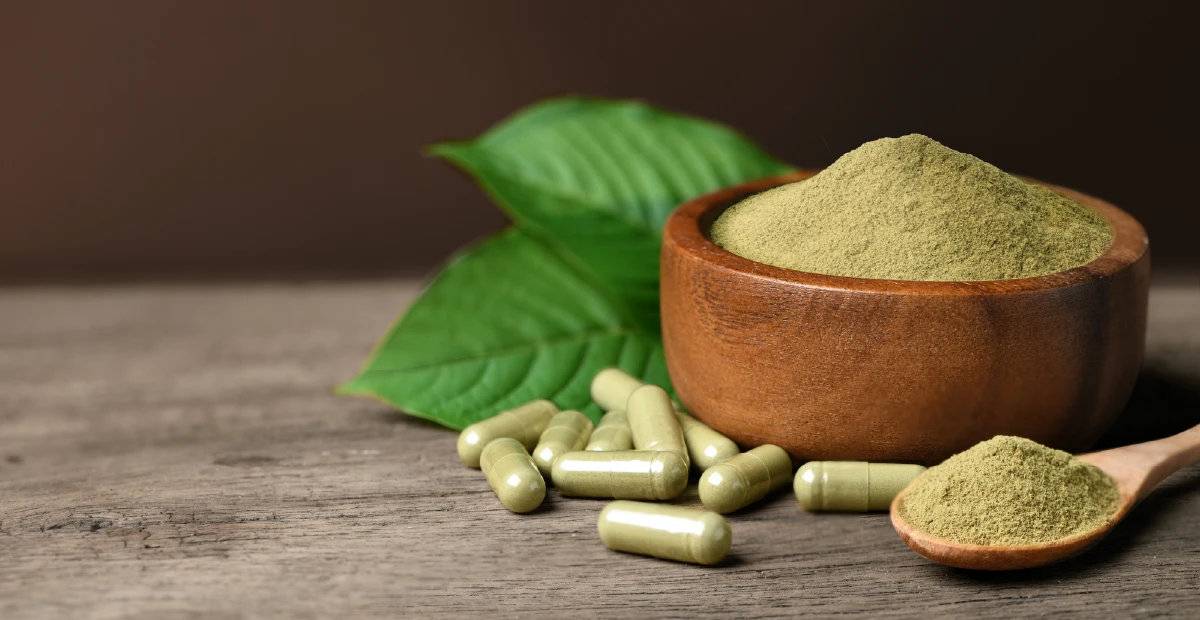
A tropical evergreen tree that belongs to the coffee family, kratom is native to Southeast Asia. Depending on the dosage, the psychoactive compounds in its leaves produce stimulant effects or, at higher dosages, sedative effects.
Kratom contains alkaloid compounds, including mitragynine (a stimulant at low doses) and 7-hydroxymitragynine or 7-OH (opioid-like at higher doses). Similar to opioid drugs, they act on mu-opioid receptors in the brain and body, contributing to effects such as energy boosts, pain relief, or sedation.
Laborers chew it for stamina in Southeast Asia, or it is brewed for relief from pain, coughs, and diarrhea. Kratom is unregulated in the US, with no FDA-approved medical use. Sold as powder, capsules, tea, or extracts, it is used for its diverse effects, including as an alternative to caffeinated beverages, for stimulating and alerting effects, and to improve overall health, functioning, and well-being.
Some also use it to self-manage pain and anxiety or for its mildly euphoric opioid effects. Some individuals with opioid use disorder use kratom to manage opioid withdrawal [1]. The mechanism of kratom dependence is thought to be similar to opioid dependence and attributed to kratom’s compounds interacting with opioid receptors [2].
There have been reports of serious adverse events associated with kratom use, including hallucinations, delusions, seizures, high blood pressure, respiratory depression, vomiting, liver damage, and even death [2].
Kratom’s active compounds bind to opioid receptors in the brain, similar to opioids such as heroin and oxycodone. Repeated use can create dependency.
When medium to heavy kratom use is significantly reduced or abruptly stopped, the brain struggles to regain balance. Temporary but uncomfortable physical and psychological withdrawal symptoms, similar to opioid withdrawal, may appear.
An international forum studying kratom withdrawal concluded that the prevalence of withdrawal among kratom users in the US is not well established but was less than 10% overall. It is higher among those who had opioid use disorder (OUD) and withdrawal that they managed with kratom [1].
The forum further stated that for those who do report dependence or withdrawal, most find it mild, tolerable, and self-manageable, with many using kratom to manage opioid withdrawal and symptoms of opioid use disorder.
Another report stated that evidence suggests that rather than treating addiction and symptoms of withdrawal, the use of kratom may lead to addiction and withdrawal symptoms [3].
Withdrawal typically only occurs following high kratom (“mitragynine”) intake. Withdrawal signs are different from and weaker than those following opioid withdrawal, and mitragynine and kratom “tea” reduced morphine and/or heroin-related withdrawal signs.
While some of the reported kratom withdrawal symptoms are similar to those of opioids (e.g., runny nose, muscular pain, and diarrhea), others are shared with sedatives and/or stimulants (e.g., lethargy, depressed mood, and anxiety) [1].
Overall, kratom withdrawal symptoms are generally milder than with chronic frequent opioid, sedative, or stimulant users and generally more tolerable and self-manageable. Craving levels appear widely variable.
Moderate daily kratom use (e.g., 2 g leaf material per dose, 1-2 times/day) of unadulterated and unaltered kratom leaf material or powder generally does not lead to a significant discontinuation-associated withdrawal syndrome.
Withdrawal was reported by some taking high amounts of kratom products (e.g., greater than 3 g of leaf material more than twice daily) for an extended period (i.e., likely exceeding 300 mg mitragynine per day) [1].
The following factors determine the duration and severity of withdrawal:
Phase 1 (Onset: 12 to 48 hours): Initially, anxiety and flu-like symptoms (runny nose and fatigue) appear.
Phase 2 (Peak: Days 1 to 4): This is when the most intense symptoms develop, including gastrointestinal issues, severe mood swings, and insomnia.
Phase 3 (Subsiding: Days 5 to 10): While physical symptoms gradually fade, anxiety, low energy, and sleep troubles may persist.
Phase 4 (Protracted Symptoms): Depression, mood swings, cravings, and other psychological symptoms may remain for weeks. This is known as post-acute withdrawal syndrome (PAWS).
Kratom withdrawal can be achieved in two ways:
Alta Mira Recovery Programs is a high-end, top-tier residential addiction center specializing in the treatment of substance use disorders and complex co-occurring mental health issues.
Our exceptional team of highly credentialed addiction treatment professionals provides the most sophisticated level of clinical care and diagnostic services, reflecting our appreciation for your unique qualities. Contact our compassionate admissions team to learn more.
[1] Henningfield, J. et al. (2023). Kratom withdrawal: Discussions and conclusions of a scientific expert forum. Drug and alcohol dependence reports, 7, 100142.
[2] Guzman C. 2023. What data exists on the use of buprenorphine and buprenorphine-naloxone for the treatment of kratom withdrawal?. University of Illinois. Chicago. Drug Information Group.[3] Mayo Clinic. 2023. Kratom for opioid withdrawal: Does it work? Mayoclinic.org