Most insurance accepted. Click for details
The Alta Mira residential substance use disorder treatment programs were designed by renowned specialists who are among the best in their respective fields.
Addiction recovery statistics may look discouraging at first glance. The National Institute on Drug Abuse (NIDA) reports that relapse rates among addicts are as high as 60 percent, which is comparable to rates for other chronic, biologically based illnesses. But relapse rates don’t necessarily reflect the long-term success rates of recovery programs. With self-awareness, behavioral changes and a reliable support system, an addict or alcoholic can get past a relapse and go on to build a fulfilling life in recovery.
Recovery statistics can teach you a lot about how others have achieved long-term abstinence from drugs, alcohol or addictive behaviors like gambling or compulsive sex. Take a look at the factors that influence success rates as you develop your own recovery strategies:
The severity of your addiction, the extent of your support system, age, gender and co-occurring health conditions can also affect recovery rates. For many addicts, finding a rehabilitation program that addresses their physical, emotional and spiritual needs is the key to long-term abstinence.
What do statistics mean for your own recovery? It’s important to remember that while statistics can provide motivation or direction for the recovering addict, each individual is different. Your motivation to change, your willingness to explore your addiction honestly and your ability to draw strength from others will play a big part in your recovery process.
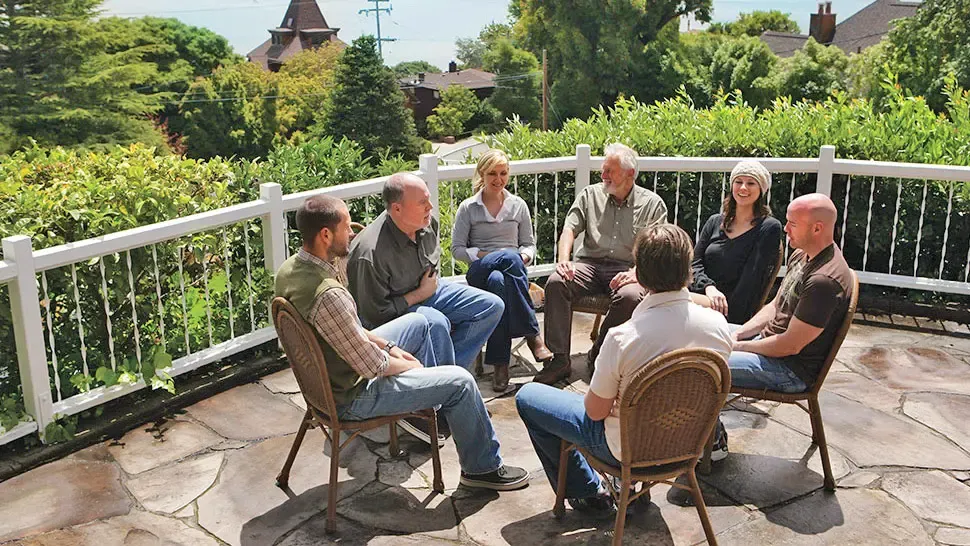
A comprehensive rehabilitation program includes aftercare services like self-help groups, family counseling and relapse prevention to support your abstinence after you graduate from treatment. If you have a co-occurring disorder like major depression, chronic anxiety or bipolar disorder, your recovery plan must include mental health services as well as addiction counseling. Contact us here at Alta Mira to find out how you can increase your own chances of recovery through a treatment plan that targets your specific needs.
When I came to Alta Mira, I was broken, people described me as fragile and silent. At the end of treatment I have found my self-confidence and my voice, in a way I never could have imagined for myself. I truly believe this place is magical, I could never have done this alone
Charlotte