Most insurance accepted. Click for details
The Alta Mira residential substance use disorder treatment programs were designed by renowned specialists who are among the best in their respective fields.
Dual diagnosis means a person is living with both a substance use disorder and a co-occurring mental health condition at the same time. This is not uncommon.
The two conditions are deeply intertwined for many people: a mental health condition such as depression, anxiety, PTSD, or bipolar disorder can drive substance use, and substance use can intensify or trigger mental health symptoms.
When only one condition is treated, the other tends to pull the person back from recovery. A single, coordinated treatment plan for long-term recovery requires addressing both.
At Alta Mira Recovery Center near San Francisco, our dual diagnosis program is built around this integrated model. From your first clinical assessment, our team works to understand the full picture: what you are using, what mental health conditions are present, how the two interact, and what combination of therapies gives you the strongest foundation for recovery.
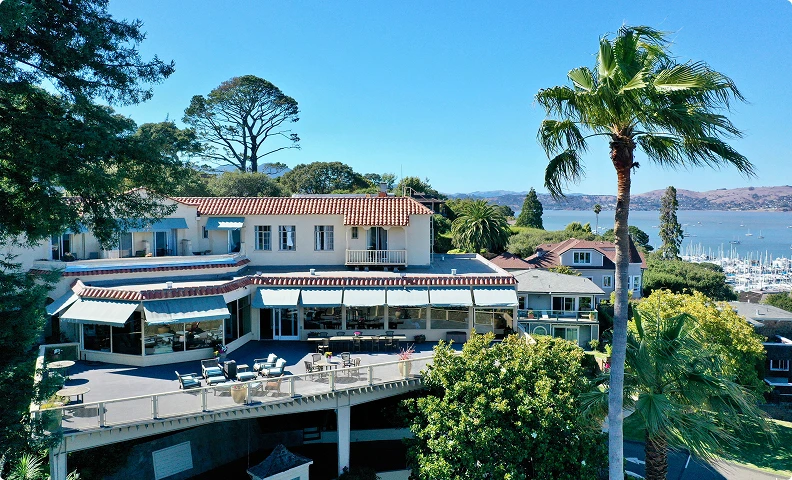
Situated on the shores of San Francisco Bay, Alta Mira Recovery Center is located in Sausalito, California. It’s a small, quiet coastal community just north of the Golden Gate Bridge, removed from the pace and noise of the city while remaining easily accessible to the greater Bay Area.
The setting is calm and naturally restorative, which supports the kind of focused clinical work our dual diagnosis program requires. For many clients, simply being in this environment represents a meaningful change from the circumstances they are stepping away from.



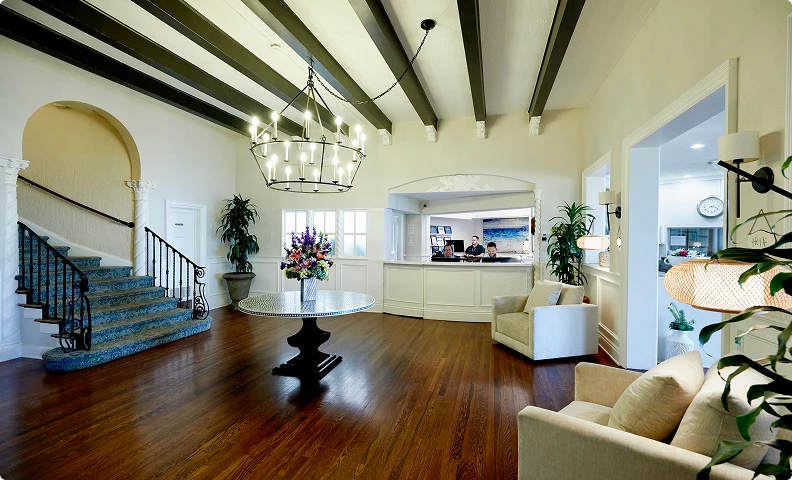



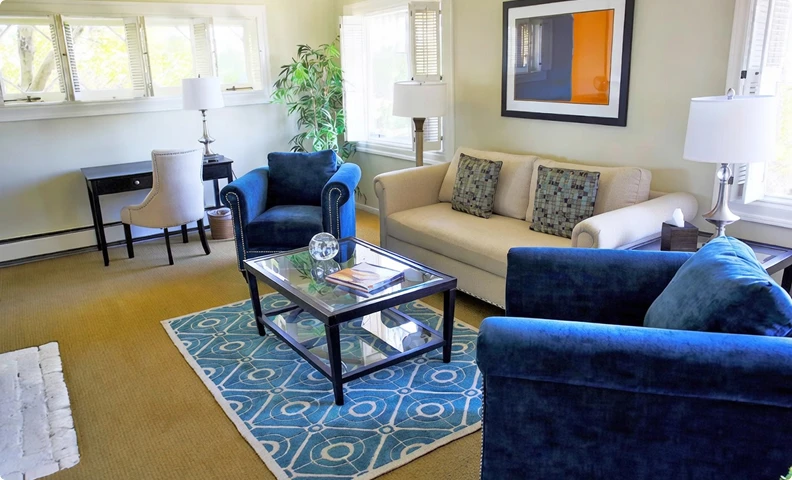






Dual diagnosis treatment begins with a thorough psychiatric and clinical assessment. This is not a formality; it is the foundation of your entire treatment plan. Our clinicians take time to understand your substance history, current mental health conditions, their duration, and their impact on your life. We look at what has worked before, what has not, and why.
From that assessment, we build an individualized plan with you that treats both conditions simultaneously. Your team includes PMH-NPs, psychiatrists, licensed therapists, addiction counselors, and case managers who communicate with each other and with you throughout treatment.
Treatment unfolds through structured individual therapy, group work, family involvement, where appropriate, and experiential and holistic healing practices. As you progress, the plan adjusts. The clinical relationship is ongoing, not static. You are not moving through a fixed curriculum; you are working with a team that is paying close attention.
Our dual diagnosis program treats substance use disorders and co-occurring mental health conditions within a single, unified treatment plan. It’s not two separate programs running in parallel but one integrated program staffed by a multidisciplinary team, designed specifically for people whose addiction and mental health conditions are connected and must be treated together.
The program is suited for adults and young adults whose substance use has significantly affected their mental health or whose mental health history has complicated their addiction. It is also appropriate for people who have attempted treatment in the past but relapsed, often because the underlying mental health component was not fully addressed.
A typical week includes individual therapy sessions, structured group therapy, family therapy sessions as clinically appropriate, trauma-focused work, experiential and holistic healing activities, and psychiatric care. Relapse prevention is woven throughout. Case management supports continuity from admission through discharge planning.
| Adults | Young Adults |
| Men | Women |
| Professionals | LGBTQ+ Individuals |
| Veterans and Active-Duty Military | Family of Veterans and Active Duty Military |
Alta Mira treats substance use disorders and co-occurring mental health conditions as part of one integrated plan. Our dual diagnosis program treats the following conditions.
| Opioids | Hallucinogens |
| Stimulants | Inhalants |
| Depressants/Sedatives | Synthetic/Designer Drugs |
| Dissociatives | Cough Syrup/DXM |
| Cannabis | Other Prescription Drugs |
| Mood Disorders | OCD and Related Disorders |
| Anxiety Disorders | Thought Disorders |
| Trauma and Stress Disorders | Personality Disorders |
Our dual diagnosis program draws on a range of evidence-based and holistic therapeutic approaches, selected and combined to fit each client’s individual clinical profile.
| Individual Therapy | Group Therapy |
| Cognitive Behavioral Therapy (CBT) | Dialectical Behavior Therapy (DBT) |
| Eye Movement Desensitization and Reprocessing (EMDR) | Trauma-Informed Care |
| Motivational Enhancement | Family Therapy |
| Exposure and Response Prevention (ERP) | Relapse Prevention |
| Acceptance and Commitment Therapy | Experiential Therapy |
| Somatic Therapy & Mindfulness Meditation | Holistic and Experiential Healing |
Alta Mira is proud to be in-network with TriWest and Kaiser Permanente. We accept most insurance. Our admissions team will verify your benefits before treatment begins so you understand exactly what is covered.









Alta Mira regularly works with executives, physicians, attorneys, pilots, and other professionals who need a high level of confidentiality alongside clinical rigor.
For this group, the risks of seeking treatment can feel particularly high, and concerns about privacy, reputation, and career often prevent them from getting help. Our program directly addresses those concerns by providing a private, discreet setting and a clinical team experienced in treating professionals.
Most treatment programs cannot fully address the circumstances active duty military personnel and their family members face. Deployment stress, combat exposure, operational demands, and the particular culture of military service all shape how addiction and mental health conditions develop and how treatment needs to be approached.
Alta Mira’s clinical team has experience working with this population and tailors treatment accordingly.
LGBTQ+ individuals face elevated rates of both substance use disorders and co-occurring mental health conditions, often linked to experiences of discrimination, family rejection, trauma, and chronic stress. Alta Mira provides a respectful, affirming environment where LGBTQ+ clients can engage fully in treatment without managing additional barriers.
Alta Mira is ready to help if you feel ready to enter residential treatment. Admissions staff are available to explain your options, answer your questions, and walk you through the insurance verification process.
Dual diagnosis treatment addresses the simultaneous presence of a substance use disorder and a mental health condition — also called a co-occurring disorder. Alta Mira’s program is specifically designed for this complexity, using comprehensive psychological testing at intake to identify all co-occurring conditions and build an integrated treatment plan.
Treating addiction without addressing the underlying mental health condition significantly increases relapse risk, and vice versa. The conditions drive each other: substances are often used to self-medicate psychiatric symptoms, while the addiction worsens the mental health condition. Integrated treatment that addresses both simultaneously produces better long-term outcomes.
Alta Mira treats co-occurring PTSD and trauma, depression, anxiety disorders, bipolar disorder, personality disorders (including BPD), substance-induced psychosis, OCD, ADHD, and complex trauma. Substance use disorder must be present as a primary diagnosis for admission. Alta Mira does not accept primary mental health patients without an active SUD diagnosis.
Every patient at Alta Mira undergoes comprehensive psychological testing and psychiatric evaluation at intake. This includes neuropsychological assessment, structured diagnostic interviews, and medication review. The process identifies all co-occurring conditions, distinguishes substance-induced psychiatric symptoms from primary mental health disorders, and informs the individualized treatment plan.
Dual diagnosis treatment at Alta Mira draws on CBT, DBT, EMDR, Somatic Experiencing, Motivational Interviewing, trauma-focused therapies, family systems therapy, and holistic modalities including yoga, acupuncture, and equine therapy. The specific combination is determined by the individual treatment plan developed from intake assessment findings.
Yes. Alta Mira is a residential program, meaning patients live at the facility for the duration of treatment. Residential care is the appropriate level of care for complex co-occurring presentations because it provides 24-hour clinical support, a structured environment, and the clinical intensity required to stabilize both the addiction and the mental health condition simultaneously.
Average length of stay is 30 days, with extensions available for complex presentations. Co-occurring disorder cases often benefit from longer stays — research shows 60–90 days produces significantly better outcomes for dual diagnosis patients than shorter programs. Alta Mira tailors length of stay to clinical need rather than a fixed calendar.