Signs to watch out for include:
Most insurance accepted. Click for details

The Alta Mira residential substance use disorder treatment programs were designed by renowned specialists who are among the best in their respective fields.
Cookies and Tracking Technologies
We use cookies and similar technologies to support the functionality and security of our website, understand website usage, and evaluate the effectiveness of our outreach and marketing efforts. We use analytics by default to understand how visitors use the site. Pages about specific conditions or substances are not named in that data. Advertising and other optional tools stay off until you choose. You can turn analytics off at any time with Reject All or Cookie Preferences. See our Privacy Notice.
These technologies may collect information such as your IP address, browser and device information, pages visited, and interactions with our website. We may use third-party analytics and advertising services to help us understand website traffic and measure advertising performance.
Because we provide behavioral health services, we take privacy seriously. We do not intend to use this website to collect or disclose information about an individual's health or treatment needs through advertising technologies. We take steps to manage tracking technologies in accordance with applicable privacy requirements.
You can change your choice at any time from "Cookie Preferences" at the bottom of every page. California residents may have additional privacy rights, including the right to opt out of the sale or sharing of personal information. If your browser sends a Global Privacy Control signal, we treat it as that opt-out.
We detected a Global Privacy Control signal from your browser, so advertising cookies stay off.
Most insurance accepted. Click for details
The Alta Mira residential substance use disorder treatment programs were designed by renowned specialists who are among the best in their respective fields.
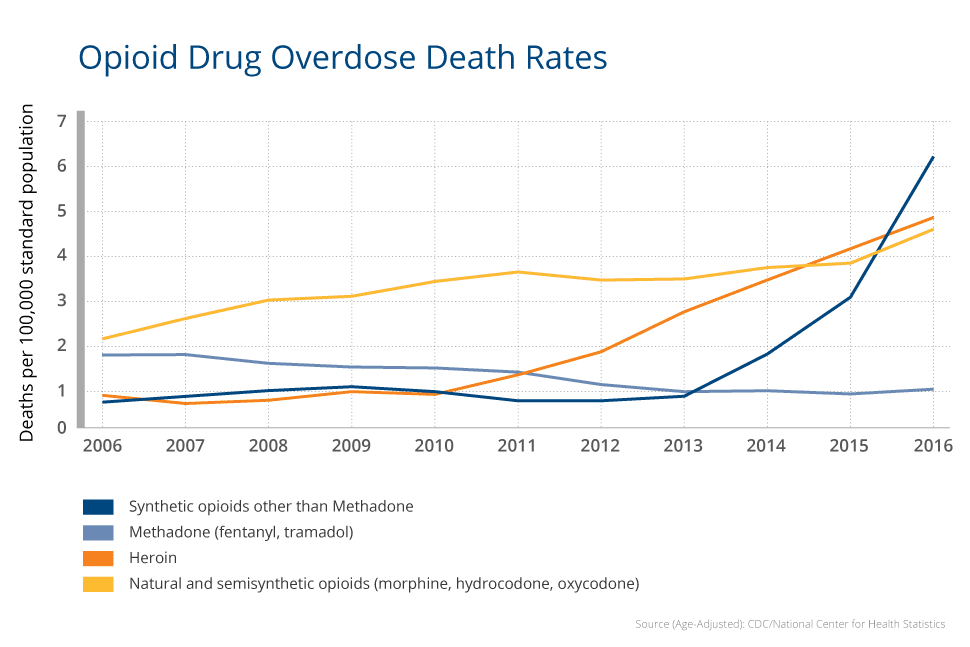
An estimated 26-36 million people worldwide abuse natural opiates or synthetic opioids. Americans are said to consume about 80% of the world’s supply of opium-derived painkillers, with more than 2 million Americans addicted to prescription opioid painkillers such as oxycodone and hydrocodone, and another 460,000 addicted to opioids like heroin or fentanyl. Many also are addicted to opiates like morphine and codeine, contributing to the nationwide addiction crisis.
Opioid or opiate addiction often begins with a prescription painkiller from the doctor, though studies show that more than 50% of opioid users get these medications from friends, family, or the medicine cabinet.
Both opiates and opioids are prescribed as analgesics for pain associated with injuries, musculoskeletal problems, surgery, and other health procedures. Due to the addictive properties of opioids and opiates, these medications are intended for short-term use to combat acute pain. To help prevent opiate addiction, doctors in several states restrict first-time opiate prescriptions to a maximum course of 5-7 days.
After a short-term opiate prescription, a person should be transitioned to a non-addictive painkiller combined with complementary therapies that help relieve chronic pain. Unfortunately, a person can become dependent on opiates or opioids after a few short days, making it more likely they will refill their opioid/opiate prescription — thereby raising their risk for addiction — instead of transitioning to an alternative, non-addictive pain medication.
Opioids and opiates relieve pain by changing the way pain is perceived in our brain and nervous system. As opposed to making the pain go away, opiates attach to the molecules of nerve cells called opioid receptors that transmit messages along nerve pathways to our brain’s reward center, telling it to release more pleasure chemicals or neurotransmitters like dopamine to override the pain. In response to an opioid or opiate, the brain and nervous system are flushed with higher-than-normal levels of pleasure chemicals, so the person taking the drug experiences less pain. For many people, this perceived relief from pain is also accompanied by a sense of euphoria or deep relaxation, particularly if their opioid prescription is at a relatively high or of longer duration.
Opioid or opiate addiction happens when a person develops physical tolerance to the medication and begins to require increased doses in order to feel the same level of pain relief they initially experienced. Pain levels may start spiking higher between doses — a withdrawal response as the drug alters the brain’s natural response to pain — and soon a person starts taking two pills instead of one or taking them more frequently than prescribed just to keep the pain at bay. So begins a vicious cycle where more opiates actually result in more pain and other negative symptoms as soon as the drug is stopped. If the painkillers also deliver euphoria or relaxation, the person may begin to crave these effects as well, making addiction more likely. As withdrawal symptoms and cravings become more pronounced, a person typically refills their prescription. When refills run out, they may turn to other opiates like fentanyl or heroin to achieve the same pain relief or high.
Signs to watch out for include:
Even when the signs are there, you or a loved one may deny there is a problem. It can be particularly difficult to recognize or admit a problem if you or your loved one don’t fit the stereotype or “profile” of an addict. However, opioid addiction happens to people of all ages and walks of life. Denial of a problem is actually another hallmark sign of addiction.
For this reason, many people find their way to opiate rehab through an intervention because they are in too much denial to recognize their own addiction.
An obstacle to treatment for many people is their belief that opiate medications are the best way to relieve pain, and alternatives won’t be as effective. Alternative therapies can be very effective, but until opiates are safely eliminated through detox and the opioid addiction treatment process has been underway for a few weeks, it can be challenging to accept alternative approaches to pain treatment or to recognize the pattern of behaviors that accompanied addiction.
The outlook for recovery is good if you can have an honest conversation with yourself about your drug misuse and how it is negatively impacting you and everyone around you.
Your chances for recovery are highest if you can enroll in a residential treatment program for opiate addiction. Opiate relapse rates tend to be higher than the 40%-60% relapse rates seen with other addictions. Recent studies show that opiate-dependent individuals who stay in residential treatment for at least six weeks have the highest recovery rates and lowest relapse rates.

Alta Mira helped me find faith in myself. Alta Mira is a one in a lifetime opportunity and experience.
Sean