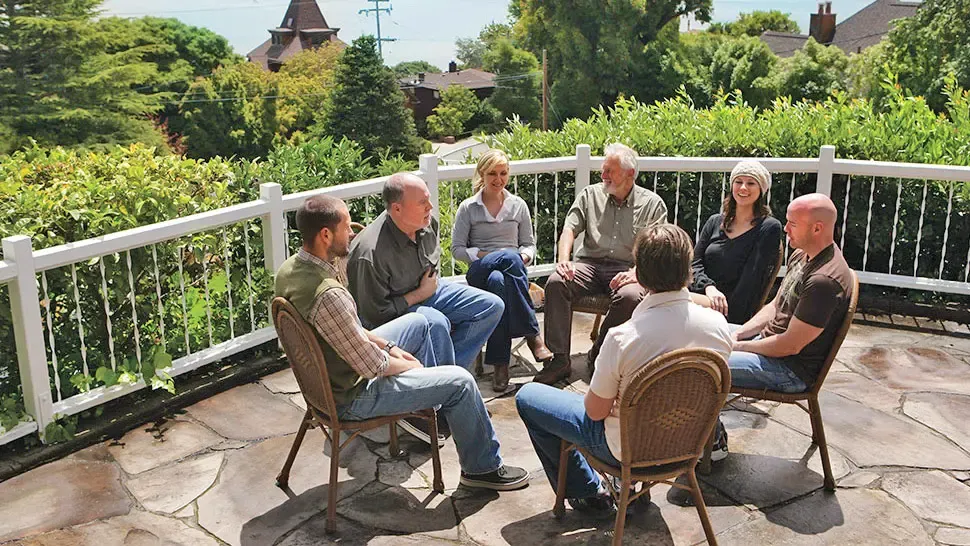
A strong support system. Your support network should include not only counselors or therapists but sober friends, partners and family members as well. Your recovery may also include a spiritual component that may provide comfort, strength and support.
Participation in self-help groups. Whether you choose a spiritually based 12-step program like Alcoholics Anonymous (AA) or a more secular group, the skills and strength you gain from active participation in regular meetings with peer support will help you grow and evolve in recovery.
Medication therapy. Relapse prevention medications like naltrexone can help you fight the cravings for alcohol. A study published in the Archives of General Psychology showed that alcoholics who took the anti-addiction drug naltrexone were almost twice as likely to stay sober as those who didn’t take medication.
Personal motivation. Your commitment to your own recovery is one of the most important factors in your ongoing success. During rehab you will learn how to use healthier strategies to cope with problems and difficult feelings, and you will practice utilizing these tools as an alternative to reaching for a drink. This transition takes time and can be challenging, so your addiction therapist and care team will work to keep you motivated as you get accustomed to using new coping mechanisms.
Statistics can teach you a lot about the factors that affect alcohol rehab success rates, but when it comes to your own sobriety, your participation and motivation are what really make the difference.