Today, there is a broad range of therapies available for communication disorders, the nature of which depends on the specific manifestation of the disorder. When communication disorder is accompanied by drug addiction, however, dual diagnosis treatment offers the best way toward lasting recovery from both your addiction and the psychological struggles stemming from your communication problems.
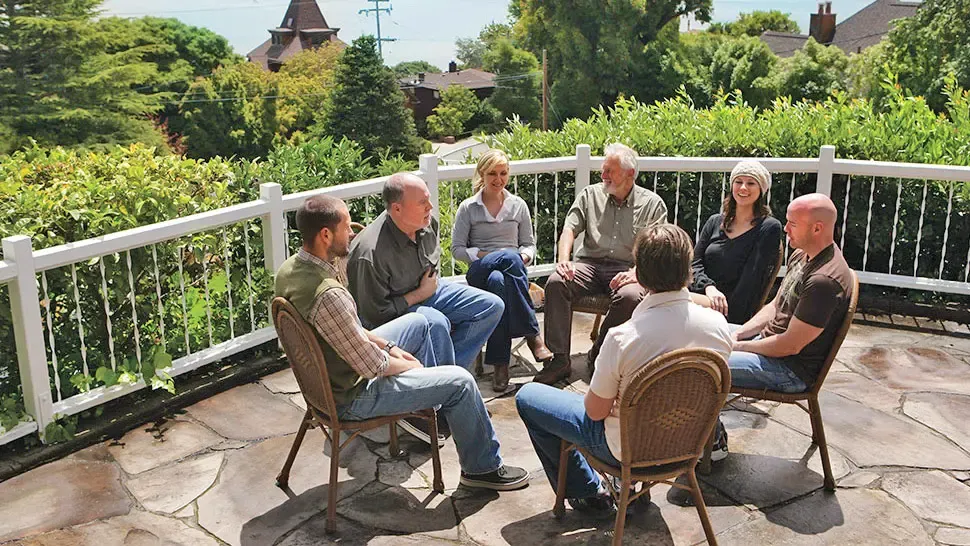
An integrated co-occurring drug rehab and treatment center is designed to create a strong foundation of recovery from both substance abuse and any underlying psychological pain that is driving your addiction. In doing so, you are able to achieve the emotional and behavioral tranquility you need to live a happier, healthier, and more productive life without resorting to harmful substances. This process begins with an in-depth psychological assessment to better understand the roots of your drug use and diagnose any co-occurring mental health disorders that must be treated to alleviate psychological distress. Your clinical team will then create a personalized treatment plan that seeks to engage you in a process of healing and transformation in a way that makes sense to you through a variety of therapeutic modalities, including:
- Cognitive Behavioral Therapy
- Psychodynamic Therapy
- Experiential Therapy
- Holistic Therapies
- 12-step support groups
Your psychiatrist may also recommend pharmacological therapies to address mood and anxiety symptoms, or to treat any other co-occurring mental health disorder.
Many people with communication disorder may feel reluctant to seek treatment due to feelings of embarrassment or the belief that they will not be able to effectively communicate with their treatment providers. However, the right treatment facility will have the resources to help you feel welcome, understood, and valued, and invite you to participate in therapies that allow you to express yourself in whatever way works for you. While people with communication disorder often find that they are initially attracted to holistic and experiential therapies, the progress made in these therapeutic forms can open up doors to engaging in more verbal forms of healing as they gain confidence in their communicative abilities. By offering multiple avenues toward healing, such treatment programs allow you to deeply explore your inner self, your psychological struggles, and your drug addiction while practicing concrete recovery strategies for long-term wellness.
If your communication disorder or drug addiction has impacted your relationship with your loved ones, family programming can be a critical piece of the recovery puzzle. With the guidance of experienced clinicians, your family members will gain a greater understanding of what you are going through and, together, you can start a conversation about how to heal. By drawing on the gains you have made in treatment and the support of your therapist, you can find ways to express your needs, experiences, and thoughts effectively in a safe space where you feel heard and understood. Many find that this process is deeply nourishing and essential to creating the framework for sustainable recovery, ongoing emotional health, and the rejuvenation of hope, possibility, and empowerment.
If you would like more information about communication disorder and addiction treatment, or have any questions about dual diagnosis treatment, we encourage you to contact us at any time. We are always available to offer support and guidance to help you start your journey toward healing.