Blog

DSM-V Creates New Alcohol Misuse Disorder

alcohol misuseThe Diagnostic and Statistical Manual of Mental Disorders (DSM) is one of the most commonly referred to manuals on mental health disorder diagnosis and treatment. Updated regularly, the fifth version of the manual will be released in May, and it is expected to have a few changes that may be significant for patients who are struggling with alcohol abuse and addiction.

Formerly, a patient could be diagnosed with either problem drinking (e.g., alcohol abuse) or alcohol addiction (e.g., alcoholism). In the new DSM-V, however, these disorders will be combined into a single diagnosis: alcohol use disorder.

How will this affect treatment and care for patients who need their health insurance company to cover part of the cost of treatment?

Insurance Coverage and the DSM

Insurance companies often base their decision on what treatment services will and will not be covered under a given policy based upon the diagnosis received by the patient and the therapies that have been proven to be effective in its care. In some cases, changes to the DSM can impact this significantly. If, for example, a disorder is removed from the manual altogether or is separated out of a spectrum disorder, the change to the criteria required for a diagnosis may mean that someone who has formerly been receiving health insurance coverage for treatment of that disorder will no longer qualify.

In the case of the combined alcohol use disorder, this likely will be a non-issue, according to a report on Time.com.

Will People Lose Their Alcohol-Related Diagnosis Due to DSM Changes?

A study published in the journal Alcoholism: Clinical & Experimental Research investigated whether or not the new diagnostic definition of alcohol abuse and use would change the diagnosis of participants currently struggling with an alcohol problem. They looked at 7,000 sets of twins to cull their data and found that the change was not likely to cause a less accurate diagnosis than the current criteria but that it doesn’t necessarily improve the diagnostic criteria currently in use.

Right now, there is a separate diagnosis for alcohol abuse, which implies either a short-term alcohol problem or a binge drinking issue, and for alcoholism, which requires long-term and chronic physical and psychological dependence upon alcohol. The new “alcohol use disorder” will include patients who currently fall into both categories. Essentially, those who are new to alcohol abuse and long-term alcoholics could end up with the diagnosis. Though patients’ access to treatment will likely be unaffected, it could have a negative impact on the patient who, for example, may struggle with binge drinking during college and seek help but otherwise have no issue with alcohol.

Alexis Edwards, PhD, was a researcher for the study. In a news release, he said: “(I)t is not clear that the proposed diagnostic changes will result in a more accurate diagnosis. (A)t best, one group of low severity cases will be replaced by another; at worst a group of individuals who exhibit more severe problems will be excluded from the DSM-5 diagnosis, while less severely affected individuals will meet diagnostic criteria.”

Learn More About Alcohol Rehabilitation at Alta Mira

If someone you love is struggling with alcohol abuse or addiction, don’t wait to get them the treatment they need to heal. Though changes to the DSM shouldn’t affect their access to appropriate medical care, every day they continue with an active alcohol abuse problem could be damaging to their physical and mental health and wellness. Contact us at Alta Mira today to speak to a counselor about effective alcohol rehab and treatment.

Black Market Sales of Take-Home Methadone Doses Increasing

bottle of methadoneMethadone is an opiate drug that can be prescribed in pill form for pain, but it is most often prescribed as a maintenance medication for heroin addiction and in liquid form. For the purposes of opiate addiction treatment, methadone is heavily regulated. Patients must come in daily and take their dose in front of a treatment professional for months, slowly “earning” the right to get “take home” doses, or little bottles of liquid methadone they can take at home without having to come into the clinic. Patients earn this by:

  • Taking drug tests and testing negative for other drugs of abuse
  • Not missing more than a couple of days in a row at the methadone clinic for any reason
  • Attending meetings with their case manager, often including a weekly group session
  • Avoiding police contact

At first, it might mean a single day’s dose for a federal holiday, but over time, the patient can avoid coming in on the weekends by getting the doses for Saturday and Sunday on Friday then up to a week at a time, then two weeks, and so on until the patient only has to come in once per month for a case manager meeting and group check-in.

Unfortunately, these take-home doses are showing up on the black market more and more often, according to Bloomberg. Despite the fact that these doses are not easy to earn and counseling is mandatory and most patients are in need of that dose in order to avoid withdrawal symptoms, many are selling their medication instead of taking it.

Why?

Why would someone who needs methadone in order to avoid withdrawal symptoms choose to sell their dose on the street? There are a number of scenarios that might make this feasible. Some possibilities include:

  • Some patients earn all their doses – or most – as take home doses. They can cut their dose on their own, thus decreasing their need for the medication, and sell the extra.
  • Some patients use heroin instead, which can be cheaper, and sell their methadone doses.
  • They may take part of it and water down the rest to sell.
  • They may trade it for other substances, including heroin or prescription painkillers.

Unfortunately, some former staff members of methadone clinics say they were over worked during their employment, and they may not have kept up with the regulations and standards as they should have. They believe a lack of counseling also contributes to the high rate of take-home methadone doses on the black market.

Treating Methadone Dependence

If the methadone used to treat opiate addiction has now become the substance of abuse or if your loved one is taking methadone but subsidizing use of the drug with heroin, painkillers, sedatives, and other substances, it’s clear that they need a new path to recovery that will be effective. Contact us at Alta Mira today and learn more about our detox and addiction treatment programs.

Anti-Marijuana Advocates Regroup to Battle New Legislation

marijuana bongThe lobby groups that fought hard to stop the passing of legislation that legalized marijuana for recreational use in Colorado and Washington State were beaten but not stopped when those bills passed. As the states work to determine exactly how to proceed and regulate a formerly illegal substance, the anti-marijuana advocate groups are rebuilding and now they have a Kennedy at their helm, according to the Seattle Times.

Fighting the Rising Tide

Former Democratic representative from Rhode Island Patrick Kennedy announced that he’s starting a group to fight the legalization of marijuana called Project SAM (Smart Approaches to Marijuana). Kevin Sabet, drug policy advisor to the White House, as well as others with a strong and vocal stance against the legalization of marijuana are all on the group’s advisory board. Perhaps less important than the Kennedy name is Patrick’s personal struggle with recovery as well as the long history of addiction in his family. Personal conviction and anecdotal evidence of the damage caused by ongoing addiction is the most powerful tool in the belt of groups fighting against a drug that is now legal in two states and whose legalization is being considered by numerous other states.

Anti-Legalization Stance Does Not Necessarily Support Criminalization of Addiction

Some supporters of legalizing marijuana say that it’s clear that the current criminalization of addiction has proven to be ineffective. They’re right. However, legalizing all substances or just marijuana is not necessarily the answer to the problem of addiction either. In between those two is the continued identification of those who have a drug problem by law enforcement with the end result being mandatory drug treatment – not prison time. When addicts get help, they can stop using drugs and build a positive life for themselves. When they are simply handed the legal right to get high, they lose the net that would catch them before they fall into an overdose, serious criminal behavior, or deadly accident.

Helping Your Loved One Beat Addiction

If you are concerned that the legalization of marijuana will only serve to increase the problems your family member is currently experiencing due to drug and alcohol abuse, the best way to address the problem is to help them enroll in a treatment program that will help them learn how to live without drugs and alcohol completely. At Alta Mira, we offer evidence-based care that has the goal of helping your loved one find abstinence. Call now to learn more about our intensive addiction treatment programs and help your loved one avoid the risks of drug dependence.

Kratom May Help Ease Drug Withdrawal Symptoms During Detox

It may seem counterintuitive, but Kratom, a drug derived from a tree commonly found in Southeast Asia, may be effective in the treatment of withdrawal symptoms associated with detoxification for drugs including:

  • Cocaine
  • Heroin
  • Morphine
  • Methamphetamine

Though Kratom is a black market substance sometimes abused in the United States, like methadone is a “replacement” medication for treatment of heroin addiction, Kratom is often used in Southeast Asia as a maintenance medication for patients in recovery from opium addiction. But will it be effective as a generalized remedy for withdrawal symptoms associated with detox?

The Study

Christopher R. McCurdy is a researcher from the University of Mississippi and he and his team sought to answer that question. They isolated active compounds in Kratom and found that these substances were useful in helping mice addicted to morphine when it came to dealing with withdrawal symptoms. Called mitragynine, the researchers believe that variations of this compound served as a tea during recovery could be helpful in aiding humans as they go through detox.

In a news release, McCurdy said: “Mitragynine completely blocked all withdrawal symptoms and could provide a remarkable step-down-like treatment for people addicted to hardcore narcotics such as morphine, oxycodone or heroin. The compound has been known for years, but we’re working to come up with an improved synthetic analog or a better formulation of the tea for testing in humans.”

Is Kratom Dangerous?

Labeled as a “concern drug” in the United States due to the fact that many who have used the substance have ended up in the emergency room, McCurdy and his team determined that the Kratom samples they used had no contaminants. However, like methadone can also be a drug of abuse and addiction that creates medical issues of its own when abused, Kratom may be effective in treatment of addiction as long as its use is monitored carefully.

Said McCurdy: “A lot of people who become addicted to methamphetamine, cocaine or even heroin truly want to quit. They begin with recreational use and don’t think they will become addicted, but (they) soon get to the point where they almost must take the drug to survive, because withdrawal is so intense.”

Detox and Addiction Treatment

Addressing withdrawal symptoms that occur during detox is important, but treating the physical aspect of addiction is just the first step in an effective treatment program. Psychotherapy that helps the patient process trauma, manage mental health symptoms, and deal with current obstacles to recovery is necessary in order to maintain sobriety in the long-term. Call us at Alta Mira today to learn more about how we can help your loved one begin their personal path to wellness.

Can MRI Help Us Better Understand the Mechanism of Drug Addiction?

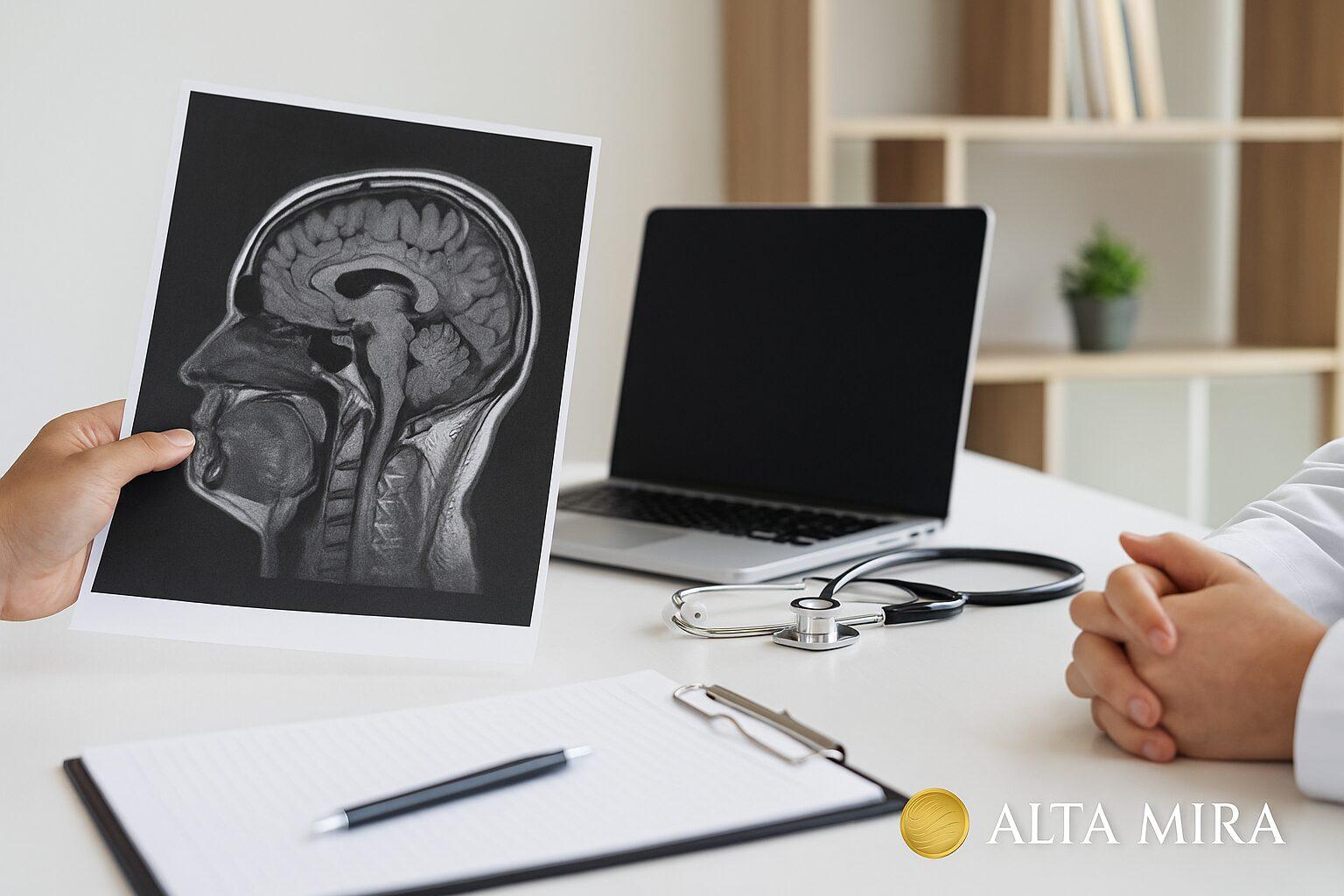
After decades of research, it is clear that addiction is a medical disorder, a disease that affects and changes how the brain works and not an issue of willpower – or lack thereof. A recent study out of the University of Pennsylvania’s Center for Studies of Addiction recently re-confirmed this assertion and took it a step further. By utilizing MRI research, or scans of the brain, researchers were able to make an educated guess as to whether or not addicts would be successful in recovery or would instead relapse by viewing the changes that occurred in the brain when confronted with pictures of drugs of abuse and associated paraphernalia.

Hope Through Recovery

The goal of the study was not to create a crystal ball that would predict whether or not a patient would relapse after treatment but to determine the amount of sway that drugs of addiction held over patients who were beginning drug rehab. When there was an extreme response noted by heightened brain activity when a patient was exposed to pictures of substances of abuse, it was clear that the grip of addiction was strong and that that patient may find the challenges to sobriety greater as compared to patients who exhibited less brain activity when exposed to the same pictures.

Anna Rose Childress is a psychologist who directs the Center for Studies of Addiction’s cocaine-related MRI research. Said Childress: “You can be a fortuneteller. But it’s not just knowledge. It’s not just pretty brain pictures. It’s hope.”

Creating More Effective Treatment

When given a clear picture of the depth of addiction in a particular patient, the opportunity arises to provide more effective therapeutic intervention during the treatment process. It has long been known that a personalized treatment plan that addresses the specific struggles faced by the patient will be more effective in the long-term than a “cookie cutter” drug rehab program that places no weight on personal experience or areas of need.

With a better understanding of the impact of drugs of addiction on the brain, researchers hope to one day further personalize the treatment of each patient by perhaps providing medication that addresses the person’s mental vulnerabilities and capitalizes upon their strengths.

Doing the Work

While there is no magic pill currently on the market, personalized or otherwise, to cure addiction, there are effective and evidence-based therapeutic treatments that can help addicts to overcome their dependence upon substances of abuse and learn how to create a new life for themselves in sobriety. Contact us at Alta Mira today to learn more about our unique addiction treatment program.

ADHD Medication Addiction: The Drug of Choice for Young Professionals

adhd medicationIt is estimated that about 14 million prescriptions for medications designed to treat the symptoms of attention deficit and hyperactivity disorder (ADHD) are given out every month in the United States to patients between the ages of 20 and 39. Those numbers were from 2011 and represent a sharp increase up from the 5.6 million prescriptions written to the same population for the same purpose just four years prior, according to the New York Times.

The increased number of prescriptions may be due in part to an increased understanding of the issues facing many adults who live with ADHD, but it is definitely due to an increased number of patients who have developed an addiction to these medications – like Adderall, Vyvanse, Concerta, Ritalin and others – thanks to its stimulant effects and the ability it gives them to focus for hours at a time. The problem is that chronic use of these drugs can lead to psychosis, delusion, aggressive behavior, and an inability to function healthfully. For many, the mental health problems it causes can be so great that suicide is the result.

Breaking the Stereotype of Addiction

Young adults who are living with an addiction to drugs like Adderall are not the stereotypical “junky” living in the shadows, breaking laws, and clearly at odds with the basic social contracts of social interaction and personal responsibility. The patients who are developing an addiction to Adderall are smart. They present well. They are well dressed and well behaved, often affluent with lofty academic and career goals. They often begin taking these drugs because they are looking for assistance to study for tests or complete multiple projects efficiently. They don’t necessarily consider that a life-altering – or life-ending – addiction can be the result.

The Risks of Untreated ADHD Medication Addiction

Unfortunately, stimulant ADHD medication addiction can be hugely mind-altering. Though it provides focus for between six and eight hours to those who are new to use of the drug, a higher and higher dose will be necessary to achieve these same effects after a few months of use, and higher doses increase the negative side effects experienced. Over time, patients often begin to experience:

  • Uncontrollable rage and violent behavior
  • Extreme mood swings that are drug-dependent (e.g., on the medications the patient may be friendly but when they wear off, he may be morose or aggressive)
  • Paranoia that people or objects are spying on them
  • Delusional behavior

Treatment Changes the Course of Addiction

If your loved one is living with an active addiction to ADHD medication, help them find balance in their lives through addiction treatment. Contact us at Alta Mira today for more information.